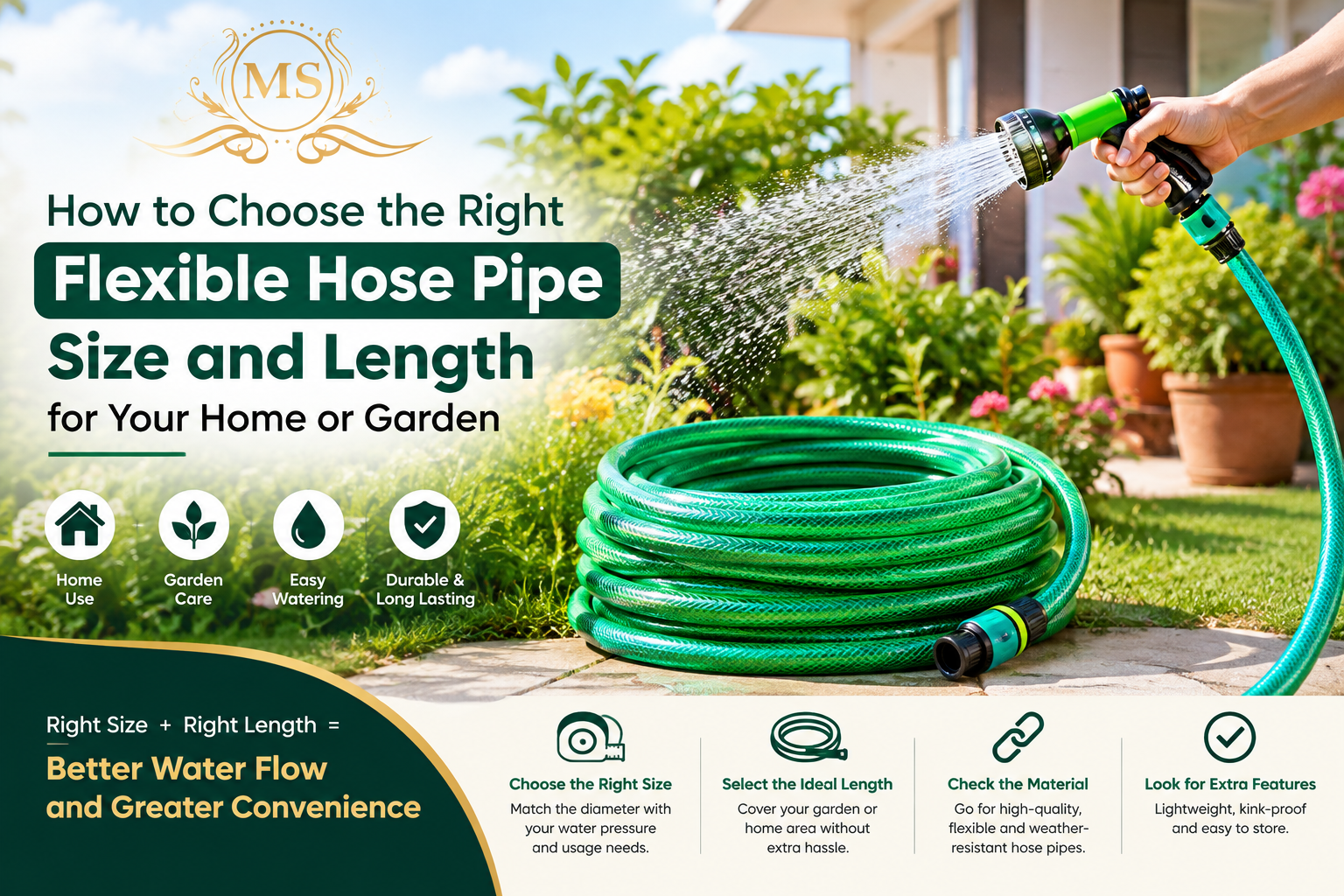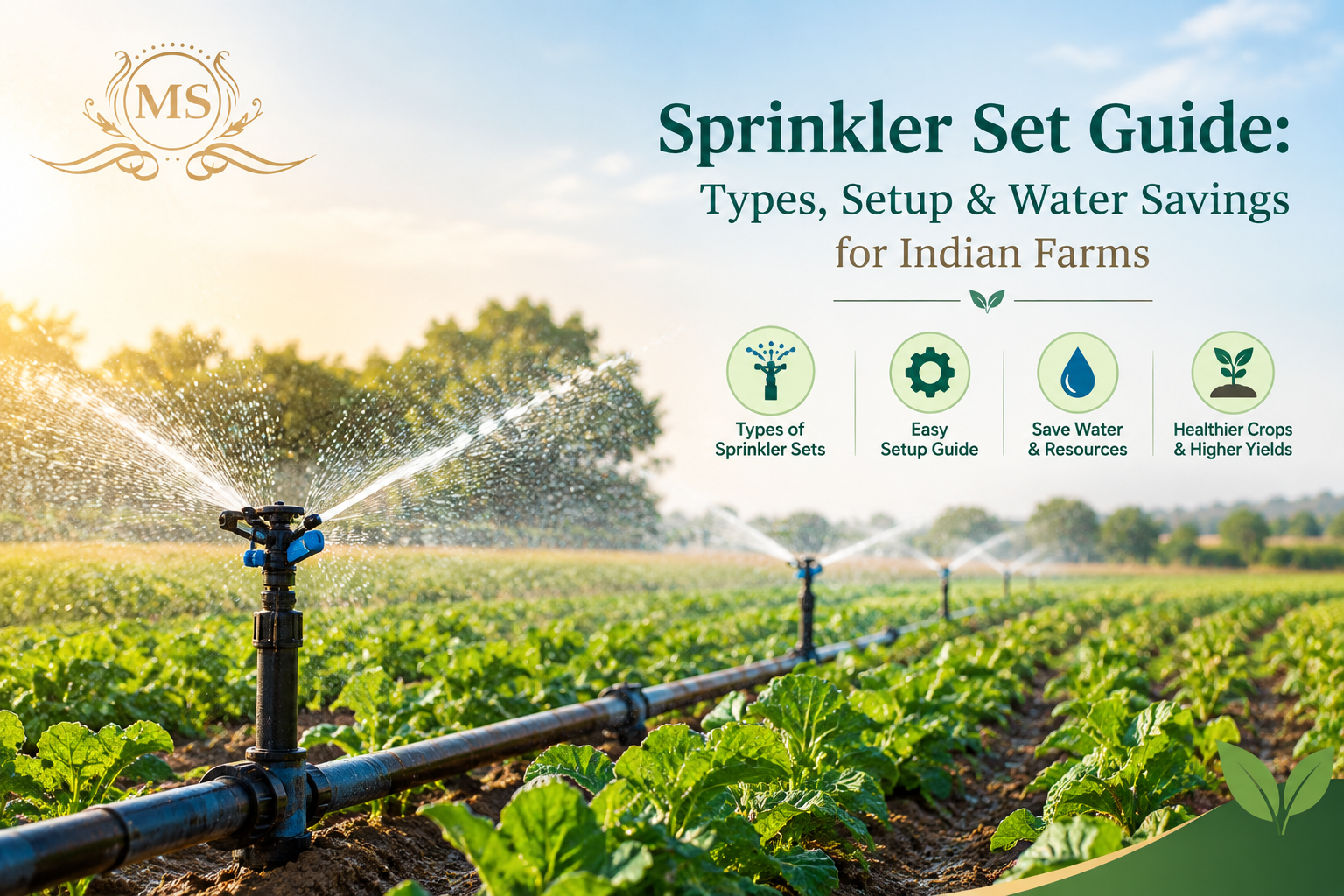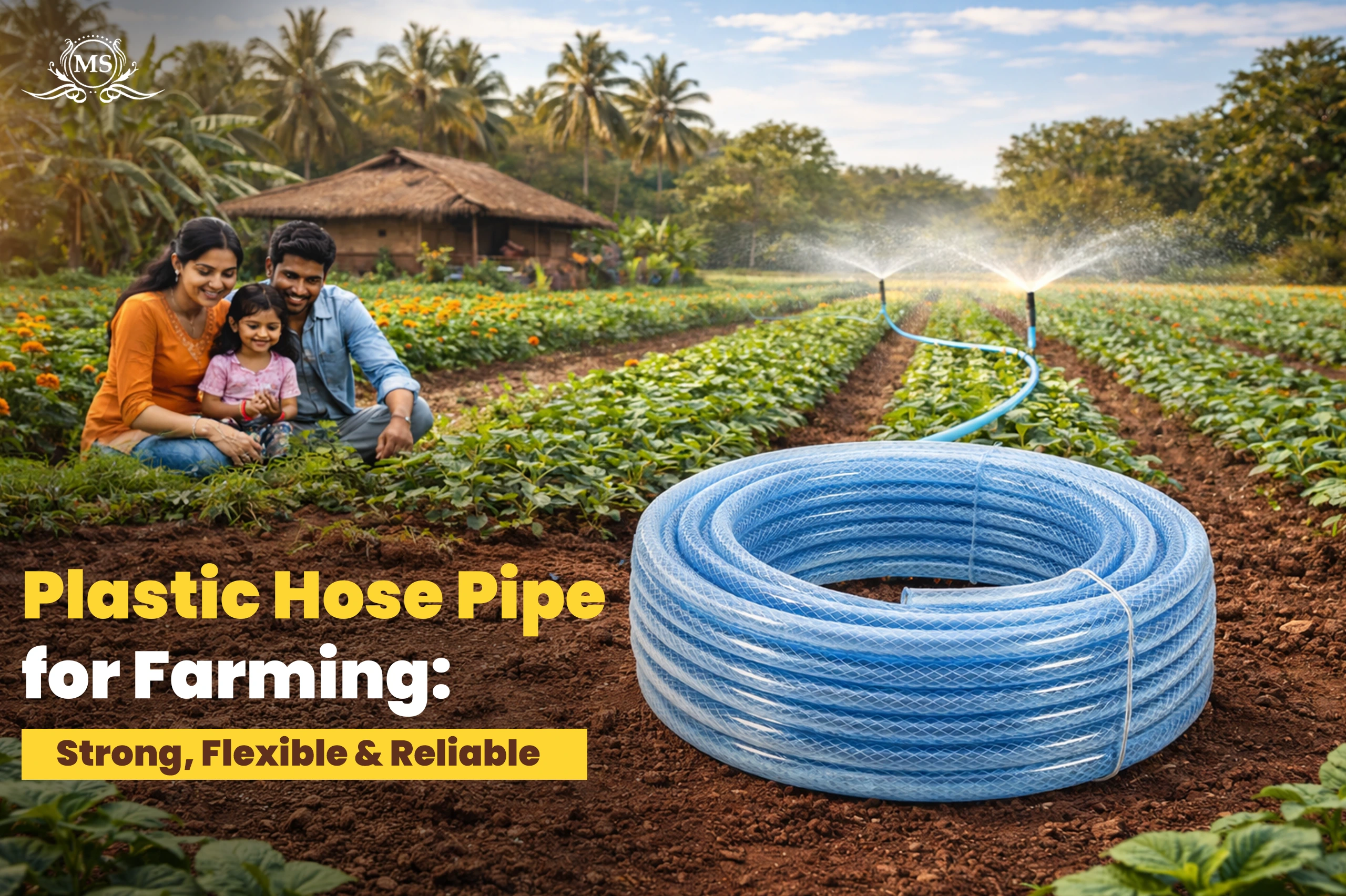
Irrigation is the most critical variable in modern agriculture. You can have the best seeds and the most nutrient-rich soil, but if your water delivery system fails during a dry spell, the investment is lost. Farmers today are moving away from rigid, heavy piping systems toward high-grade plastic hose pipes because the labor involved in moving traditional systems is no longer sustainable. A reliable plastic hose pipe acts as the circulatory system of a farm, ensuring that every drop reaches the root zone without wastage or pressure drops.
Why Farmers Use a Clear Plastic Hose Pipe for Suction
Table of Contents
ToggleFarming environments are harsh. Equipment is dragged over rocks, exposed to intense UV radiation for 12 hours a day, and subjected to fluctuating water pressures. Professional-grade plastic hose pipe options are manufactured with reinforced layers to prevent kinking. Kinking is not just a nuisance; it creates backpressure that can damage pumps and disrupt the timing of automated irrigation cycles.
In suction lines, material choice often shifts toward visibility. A clear plastic hose pipe isn’t just about aesthetics; it’s a diagnostic tool. If a pump is sucking air or if there is a blockage of silt and debris, you need to see it immediately. Air bubbles in the line can lead to cavitation, which destroys pump impellers in a matter of hours. By using a clear plastic hose pipe, a farmer can verify that liquid fertilizers are flowing at the correct rate and that the water is running clean without having to dismantle the entire manifold.
Enhancing Irrigation Efficiency with Plastic Hose Pipe Fittings
The pipe itself is only half the story. The integrity of an irrigation network is usually tested at the connection points. Using the right plastic hose pipe fittings is the difference between a high-pressure system and a muddy mess at the pump head. Leaks at the joints lead to a gradual loss of pressure, meaning the crops at the end of the line receive significantly less water than those at the start.
Quality plastic hose pipe fittings must be precision-engineered to handle the expansion and contraction that occurs with temperature shifts. Cheap fittings often crack during the winter or lose their seal in the peak of summer. Investing in UV-stabilized connectors ensures that the entire assembly remains airtight for multiple seasons, reducing the need for mid-season repairs that take away from actual farming tasks.
| Feature | Standard PVC Hose | Braided Plastic Hose | Suction/Delivery Hose |
|---|---|---|---|
| Flexibility | High | Medium | Low |
| Pressure Rating | Up to 5 Bar | Up to 15 Bar | Up to 20 Bar |
| UV Resistance | Standard | High | Very High |
| Primary Use | General watering | High-pressure spraying | Heavy water lifting |
The Plastic Hose Pipe Price and Long-term Value
Budgeting for farm infrastructure requires a long-term view. While it is tempting to go for the lowest initial cost, the plastic hose pipe price should always be weighed against the lifespan of the product. A less expensive pipe typically contains a higher amount of recycled filler materials, which can make the plastic more brittle. Over two or three seasons, the cost of replacing a cheap hose twice will surpass the price of purchasing a quality, premium version once.
Several factors influence the plastic hose pipe price:
- Wall Thickness: Thicker walls handle higher PSI but increase weight.
- Reinforcement: Polyester braiding adds strength but adds to the manufacturing cost.
- Material Virginity: 100% virgin PVC or HDPE lasts significantly longer under direct sunlight.
Maintaining Your Plastic Hose Pipe
Even a high-end plastic hose pipe will fail prematurely if handled like a disposable tool. Maintaining the material’s integrity requires more than just careful storage.
- Avoid High-Pressure Spikes: Slamming a pump to full throttle sends a shockwave through the line. Ramp up the RPMs slowly to avoid that initial “hammer” effect that splits seams.
- Drain After Use: Water left inside a hose under the midday sun effectively cooks the inner lining. This makes the material gummy and prone to collapse when you restart the pump.
- Use Correct Fittings: Forcing a clear plastic hose pipe onto an oversized connector causes micro-tears. These small stresses eventually turn into major leaks when the plastic expands in the heat.
- Storage: Coil your pipes loosely. Tight loops force the plastic to “set” in a bent position, creating permanent kinks that will kill your water pressure next season.
The industry is moving toward hardware that balances weight with sheer industrial strength. Whether you are managing a small plot or a massive commercial operation, you need a plastic hose pipe that isn’t a struggle to move but won’t burst under the first sign of pressure. Reliability in the field is what actually determines your daily workload.
Selecting the Right Diameter for a Plastic Hose Pipe
Flow rate is determined by the internal diameter of the line. If the pipe is too narrow, the friction loss over long distances will render your sprinklers ineffective. Conversely, a pipe that is too wide for your pump’s capacity will result in weak pressure. Most agricultural applications settle on diameters between 1 inch and 3 inches, depending on the volume of water required per hour.
When you look at the plastic hose pipe price, remember that longer continuous runs are generally better than multiple short sections joined by plastic hose pipe fittings. Every joint is a potential leak point and a point of friction that slows down water velocity. If your field layout allows it, buy longer rolls to minimize the number of connections.
For specialized tasks like pesticide application, a clear plastic hose pipe is often preferred to ensure no chemical residue is left behind after flushing the system. Seeing the “clear” water run through indicates that the system is clean and ready for the next use.
Conclusion
Effective irrigation isn’t just about finding water; it’s about getting it to the field without losing pressure or wasting hours on repairs. The materials you choose today, specifically the UV resistance and wall thickness of your pipes, directly impact your maintenance costs for the next several seasons. If you cut corners on plastic hose pipe fittings, you risk pump damage and uneven crop growth. High-grade materials simply last longer in the field.
Mahavir Group builds piping solutions for the reality of Indian farming. We know that equipment needs to survive extreme heat and rough handling without failing in the middle of a harvest. Our focus is on manufacturing pipes and fittings that do the job reliably, season after season, so you can focus on your crops instead of fixing leaks.
FAQs
Can standard hoses handle high-pressure diesel pumps?
- Standard variants burst. You need a braided plastic hose pipe rated for 15-20 Bar. Hooking weak lines to high-capacity motors causes immediate seam failure.
Why is my clear plastic hose pipe turning green?
- Standing water exposed to sunlight triggers algae growth. Always drain a clear plastic hose pipe and store it in shade to prevent internal buildup.
Should I join multiple pipes for long distances?
- Leaks occur at joints. While a long roll might affect the initial plastic hose pipe price, fewer plastic hose pipe fittings mean better pressure and fewer maintenance headaches.
How does quality impact the long-term plastic hose pipe price?
- Premium pipes last five seasons instead of one. Paying a higher plastic hose pipe price for virgin PVC saves you roughly 60% in replacement costs over time.