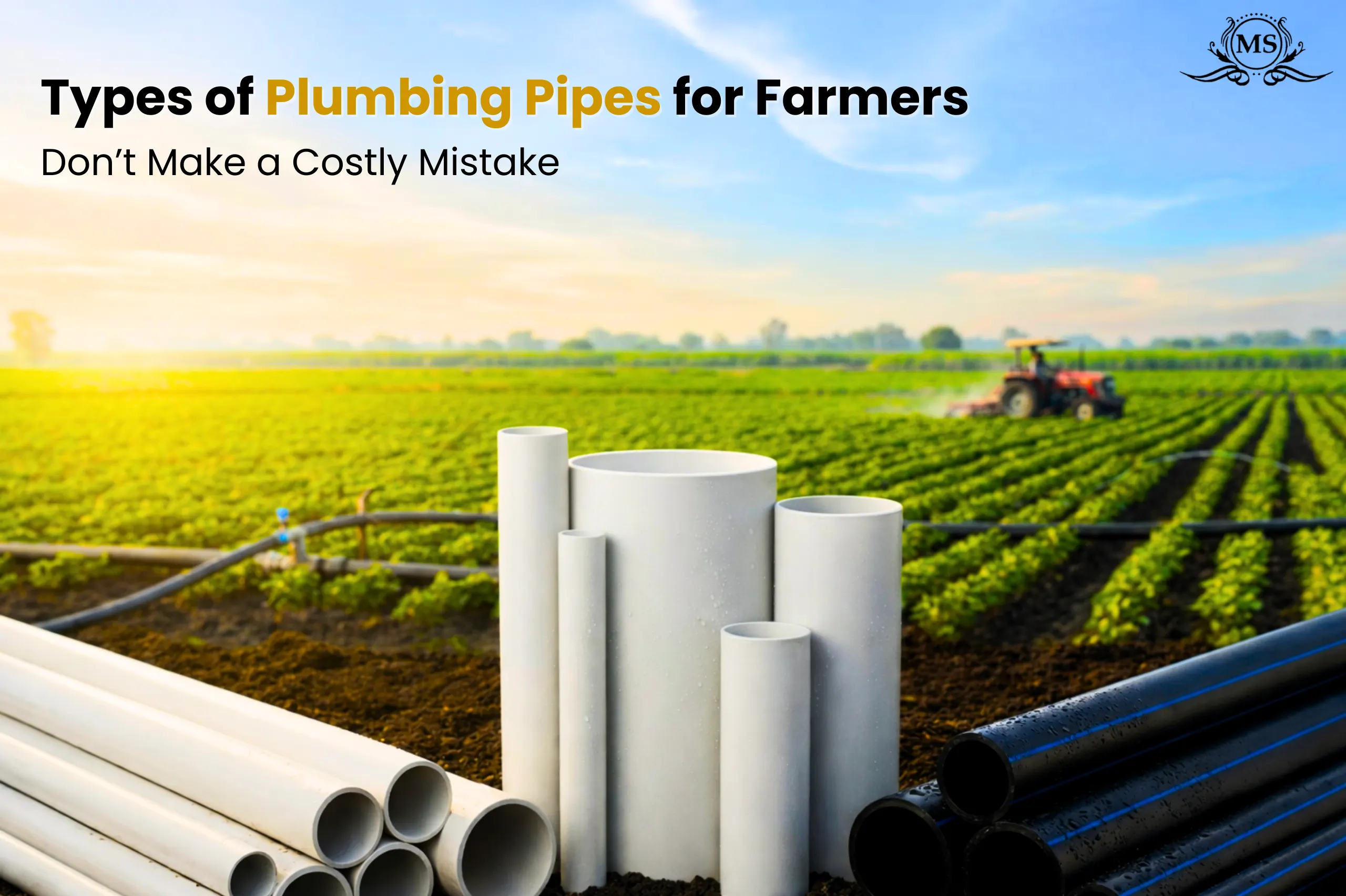
Water for a farmer is the lifeblood of the field. The network that carries the water is as critical as the seeds themselves. Yet, choosing the wrong types of plumbing pipes is among the most common ‘hidden’ expenses. They can drain a farm’s annual budget. Shifting climate patterns and the push for high-efficiency irrigation are issues that in 2026 the farmers will have to deal with. This makes selecting the right material a critical financial decision rather than solely a plumbing decision. There are different types of plumbing pipes. Ensure whether it’s setting-up a new drip irrigation system or managing surface drainage, you don’t make a costly mistake.

TYPES OF PLUMBING PIPES
Table of Contents
ToggleThere are whether you’re managing surface drainage or lifting water from a 400-foot borewell, different types of plumbing pipes. They help you find the right option matching your specific needs. This way, they ensure you don’t make a costly mistake.
PVC PIPES (POLYVINYL CHLORIDE)
PVC Pipes known as the ‘All-Rounder’ are among the different types of pipes in plumbing for agriculture, the most extensively used.
These pipes are favored for their
- Excellent strength-to-weight ratio; and
- Resistance to the chemical fertilizers often mixed with irrigation water.
- BEST FOR: Permanent underground mainlines, suction lines, and flood irrigation.
- THE PROS: Lightweight, affordable, and extremely easy to install using solvent cement. It does not rust or scale. This ensures a smooth flow of water for decades.
- THE RISK: Standard PVC is vulnerable to UV degradation. When exposed to the harsh summer sun without a UV-stabilized coating, they become brittle and crack.
Always check the pressure rating. The use of a Class 1 pipe for a high-pressure pump is a recipe for burst joint.
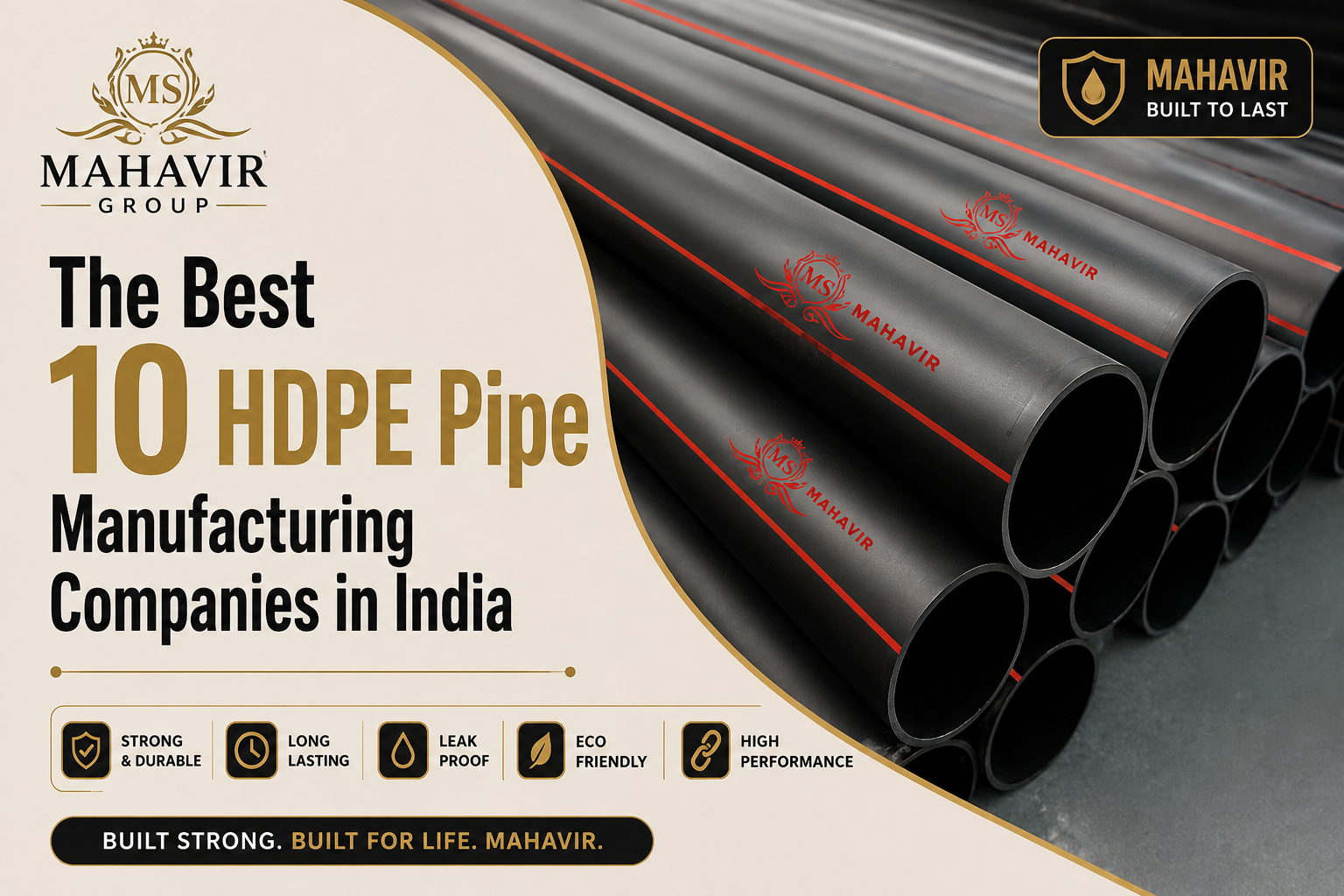
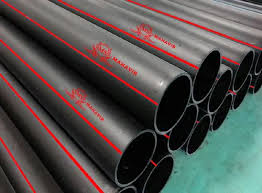
HDPE PIPES (HIGH-DENSITY POLYETHYLENE)
Known as ‘The Durable Workhorse’, HDPE is if your farm terrain is hilly, rocky, or needs pipes to be moved frequently, among the different types of plumbing the most superior choice.
- BEST FOR: Above-ground distribution; sprinkler systems; and long-distance water transport.
- THE PROS: Flexible. Can ‘snake’ around obstacles where PVC would need multiple elbow fittings. Additionally, it features high-impact resistance and is naturally UV stabilized with carbon black. This makes it the king of above-ground durability.
- THE RISK: HDPE typically needs thermal fusion (heat welding) for joints. This can be more labor-intensive when compared to simple gluing method used for PVC.
COLUMN PIPES (SUBMERSIBLE PUMP PIPES)
You cannot use standard types of plumbing pipes when lifting water from deep underground. You need ‘Column Pipes.’ This will require specialized uPVC pipes designed to hold the massive weight of a submersible pump and the water column above it.
- BEST FOR: Borewells and Tube Wells.
- KEY FEATURE: Pipes use a square thread system and rubber ‘O-rings.’ They ensure the joints don’t slip or leak under the extreme vertical pressure of a 300-foot lift.
DRIP LATERAL PIPES (LDPE)
Different types of plumbing pipes are used for precision farming at the delivery point. Low-Density Polyethylene (LDPE) laterals are thin, flexible tubes. They
deliver water directly to the plant’s roots.
- BEST FOR: Drip Irrigation for vegetables, orchards, and vineyards.
- PERFORMANCE: Made to handle lower pressures. They must be highly resistant to clogging and environmental stress.
LAYFLAT HOSES
You don’t need sometimes a permanent pipe. This is where Layflat Hoses come in as the flexible solution. Often made of reinforced PVC or PE, they act for your farm like a fire hose.
- BEST FOR: Temporary water transfers. Or moving water between seasonal plots.
- BENEFIT: Can be rolled up and stored when not in use. This protects them from tractor damage and theft. New PE-based layflat hoses in 2026 are 60 percent lighter than traditional versions. This makes them much easier for a single farmhand to manage.
CHOOSING YOUR PIPE: A COMPRISON
| PIPE TYPE | DURABILITY | FLEXIBILITY | UV RESISTANCE | BEST USE CASE |
|---|---|---|---|---|
| PVC (uPVC) | High Underground | Low Rigid | Moderate | Drainage & Mainlines. |
| HDPE | Very High | High | High | Hilly Terrain & Above Ground. |
| LDPE | Moderate | Very High | High | Drip Irrigation Laterals. |
| GI METAL | Very High | Zero | High | High Pressure Pump Outlets. |
HOW TO AVOID THE COSTLY MISTAKE?
The following 3 rules for 2026 tell how to avoid a costly mistake.
- MATCH THE PRESSURE, NOT JUST THE SITE: A 3-inch pipe is not just a 3-inch pipe. Hence, always verify that the pipe’s PSI/kgf rating exceeds your pump’s maximum output.
- MIND THE JOINTS: 90 percent plumbing failures occur at the joints. Ensure whether using solvent or heat fusion, the surfaces are clean. Even a tiny leak in an underground mainline can before it’s even detected lead to waste of thousands of liters
- CHECK FOR ISI MARKS: Unbranded pipes in the Indian market often use ‘recycled’ plastic. They lack the chemical bonds to last more than a season. Investing 10 percent more in certified types of plumbing pipes is advised. They can save you 100 percent of the replacement cost in three years.
CONCLUSION
Mahavir Group, a premier plumbing pipes manufacturer and supplier specializes in different types of plumbing pipes for the modern plumbing and infrastructure sectors. Known for their focused commitment to the ‘Made in India’ initiative, they make an extensive range of different types of pipes in plumbing engineered for durability and precision. Additionally, they conform to strict ISI standards. This ensures that every project from industrial complexes to residential high-rises, benefit from leak-proof, long-lasting plumbing pipes.
FAQs
Q. What different types of plumbing pipes are used on a farm?
- A. PVC, HDPE, LDPE, uPVC, and GI are the most common types of pipes used in plumbing for agriculture today.
Q. what is the most common costly mistake that farmers make with pipes?
- A. Mismatching the pressure rating is the biggest mistake. Many farmers tend to buy pipes based on diameter (size). At the same time, ignore the ‘CLASS’ or ‘SCHEDULE’ (pressure capacity). A low-pressure pipe with a high-power submersible pump will lead to frequent bursts and costly excavation repairs.
Q. Which different types of plumbing pipes will suit the borewells the best?
- A. For deep borewells the standard in 2026 is uPVC Column Pipes. They do not rust unlike old metal. This prevents pump clogging. Furthermore, they are designed with square threads to hold the pump and water column massive vertical weight. Standard PVC may for very shallow wells suffice. But it lacks the tensile strength for deep installations.
Q. How can I identify a high-quality pipe in the market?
A. Avoid relying solely on the brand name. Instead look for these different types of pipes in plumbing markers:
- ISI MARK: Ensures the pipe meets national quality and safety norms.
- WALL THICKNESS: Check for uniformity, uneven walls. They indicate poor manufacturing.
- WEIGHT: Heavier does not mean better. It could be fillers. But suspiciously light pipes often lack the requisite resin density.
Q. How to prevent UV damage to my farm pipe?
- A. If you’re using PVC above ground, it will become brittle over time. The best way to prevent this is to bury them at least 1.5 to 2 feet deep. If they are to stay exposed, then paint them with a compatible light-colored paint. Else choose HDPE which contains ‘carbon black’ to resist solar degradation.